



The Power of Protest: No Kings Sweeps the Nation
Millions of Americans have taken to the streets this spring in the No Kings movement, a wave of demonstrations that reflects growing concern about leadership, civil liberties, and the direction of the country. From major cities to small towns, participants are uniting under a single message: that citizens have a right to hold power accountable and make their voices heard.
Organizers describe the movement as a grassroots effort to resist what they see as authoritarian governance and threats to democratic norms. The name No Kings is meant to evoke the nation’s founding principles rejecting monarchy and concentrated power. Protests have been held periodically since June 2025, with the largest coordinated day of action on March 28, 2026, when millions of people participated in cities, small towns, and even locations abroad.
In cities such as St. Paul, Minnesota, protesters rallied near the state capitol. Thousands gathered in Chicago’s Grant Park, around the Michigan Capitol in Lansing, and along Harbor Drive in San Diego. Demonstrators carried signs, chanted, and marched through downtown streets to voice opposition to issues including immigration enforcement policies, rising living costs, and U.S. military involvement in Iran.
Most demonstrations were peaceful. Some saw clashes with law enforcement. In Los Angeles, a teenager attending the rally on March 28 was struck in the eye by a projectile fired by a federal agent and later required surgery. Law enforcement in other cities made arrests for disorderly conduct or related offenses as crowds grew and tensions increased.
Supporters of No Kings argue that participation from major metropolitan areas to rural communities shows widespread concern about the direction of national leadership. Some participants said they were motivated by threats to civil liberties, aggressive immigration policies, and what they see as an erosion of democratic checks and balances.
Political analysts say the demonstrations have become tied to broader electoral dynamics as the 2026 midterm elections approach. Some local and national organizers hope the protests will translate into increased voter engagement and influence legislative races.
Despite the movement’s size, there is debate over its long term impact. Critics say the protests lack specific policy demands and may mainly serve as expressions of dissatisfaction. Others say sustained civic engagement, even in peaceful marches, is a fundamental expression of democratic rights.
As the No Kings movement continues, supporters plan more events and actions aimed at keeping momentum and encouraging political participation beyond street demonstrations.
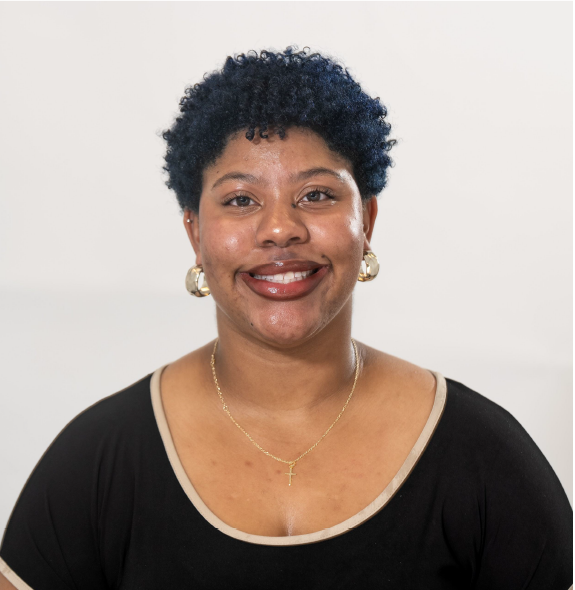
Takeira Nettles is a passionate communicator, storyteller, and community-centered leader serving as a Public Relations Intern with Bantucola. Originally from Portsmouth, Virginia, she brings a warm, culturally grounded approach to her work.
A senior Public Relations student at Florida A&M University, she has developed skills in media writing, brand development, and audience engagement. She is an active member of the National Council of Negro Women and the Public Relations Student Society of America, reflecting her commitment to service and professional growth.
Takeira is driven by the power of communication to uplift the Black community. She is dedicated to amplifying underrepresented voices, supporting Black-owned businesses, and creating meaningful, impactful campaigns that connect with audiences.
