



Power, Policy and Perception: Donald Trump and the Black Community
By Takeira S. Nettles
Donald Trump has maintained a complex and often debated relationship with Black Americans, shaped by policy initiatives, personal actions, and decades of controversy. Having served from 2017 to 2021 and returning to the White House in 2025 for a second nonconsecutive term, his influence spans nearly a decade of public and political life.
During his first term, Trump highlighted initiatives he argued benefited Black communities. The First Step Act was a bipartisan measure aimed at reducing prison sentences for certain nonviolent offenses and expanding rehabilitation programs. Thousands of inmates, many of them Black, saw sentence reductions or early release under the law. Economic indicators were another point of emphasis: prior to the COVID-19 pandemic, Black unemployment reached historic lows, although economists note that these trends began under the previous administration.
Trump also increased and stabilized federal funding for historically Black colleges and universities (HBCUs), a move widely acknowledged by university leaders. His Opportunity Zones program aimed to encourage investment in low-income communities, though critics argued that benefits often favored developers rather than residents.
During his current second term (2025–present), Trump has continued to frame economic growth and criminal justice reform as successes of his administration. However, public opinion among Black Americans remains largely unfavorable, with polling indicating skepticism about current policies and ongoing concerns about access to healthcare, policing practices, and social equity initiatives.
Trump’s long-standing controversies continue to shape perceptions. In 1973, the U.S. Department of Justice sued his real estate company for alleged housing discrimination against Black renters; the case was settled without an admission of wrongdoing. His involvement in the Central Park Five case remains a flashpoint. At the time, he ran full-page newspaper ads calling for the reinstatement of the death penalty following the assault of a New York City jogger. The five teenagers were later exonerated in 2002, but Trump has continued to defend his position, drawing ongoing criticism.
On individual acts of support, reports indicate that after the 2008 murders of family members of singer and actress Jennifer Hudson, Trump provided temporary housing for Hudson and her relatives at a Chicago hotel he owned. While not part of government policy, supporters cite the gesture as an example of personal generosity.
Assessing Trump’s impact on Black communities is sharply divided. Supporters highlight criminal justice reform, economic indicators, and targeted funding for HBCUs, while critics point to rhetoric, policy priorities, and past actions as evidence of enduring harm. With a second term now underway, debates about his influence continue to evolve, reflecting both historical actions and ongoing policies.
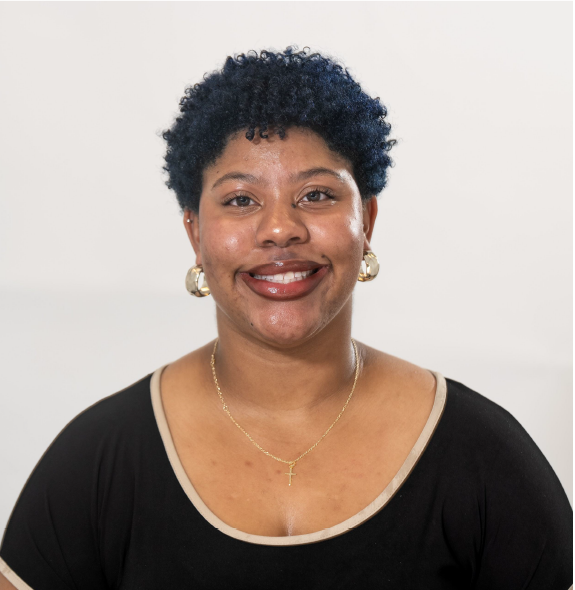
Takeira Nettles is a passionate communicator, storyteller, and community-centered leader serving as a Public Relations Intern with Bantucola. Originally from Portsmouth, Virginia, she brings a warm, culturally grounded approach to her work.
A senior Public Relations student at Florida A&M University, she has developed skills in media writing, brand development, and audience engagement. She is an active member of the National Council of Negro Women and the Public Relations Student Society of America, reflecting her commitment to service and professional growth.
Takeira is driven by the power of communication to uplift the Black community. She is dedicated to amplifying underrepresented voices, supporting Black-owned businesses, and creating meaningful, impactful campaigns that connect with audiences.
