



House Passes SAVE Act, Raising Questions for Gulf Coast Communities
By Takeira Nettles
The U.S. House of Representatives has passed the SAVE Act, a bill that would require proof of citizenship to register to vote in federal elections, prompting renewed debate over voting access and election security across the country.
The legislation, formally known as the Safeguard American Voter Eligibility Act, would require individuals to present documents such as a U.S. passport, a birth certificate with identification, or other approved records when registering to vote. Under current law, voters can register by signing a form affirming their citizenship under penalty of perjury without submitting documentation.
The bill passed in a narrow vote, highlighting deep divisions among lawmakers on voting policy. It now moves to the Senate, where its future remains uncertain. If approved there, the measure would go to the president to be signed into law.
Supporters of the SAVE Act say the legislation is necessary to strengthen public confidence in elections. They argue that requiring proof of citizenship adds an extra layer of security and ensures that only eligible voters participate in federal races. Backers of the bill have framed it as a preventive measure aimed at protecting the integrity of the voting system.
Opponents argue the bill could create new barriers for eligible voters and limit access to the ballot. Voting rights groups say the requirement may disproportionately affect people who do not have easy access to official documents, including college students, older adults, and low income individuals. Some critics also point to married women and others who may have name changes that do not immediately match their birth records.
The proposal could also reshape how voter registration is conducted nationwide. Online and mail in registration systems, which are widely used across many states, could face new restrictions if proof of citizenship must be verified through physical documentation. Community led voter registration drives, often organized by local groups, churches, and student organizations, may also face additional challenges under the new requirements.
For communities along the Gulf Coast, including Pensacola, the potential impact extends beyond elections. Black communities and Black owned businesses often rely on civic participation to influence decisions related to economic development, public funding, and local investment. Changes that affect voter registration access could have long term effects on representation and policy outcomes that directly impact these communities.
Election experts note that documented cases of non citizen voting are rare, though the issue remains a point of concern among some lawmakers. Similar proof of citizenship laws at the state level have faced legal challenges and questions about implementation, particularly around verifying documents and maintaining accurate voter rolls.
Local leaders and advocacy groups are continuing to monitor the bill as it moves through Congress. Some say the outcome could shape how future voter engagement efforts are carried out, especially in historically underrepresented communities.
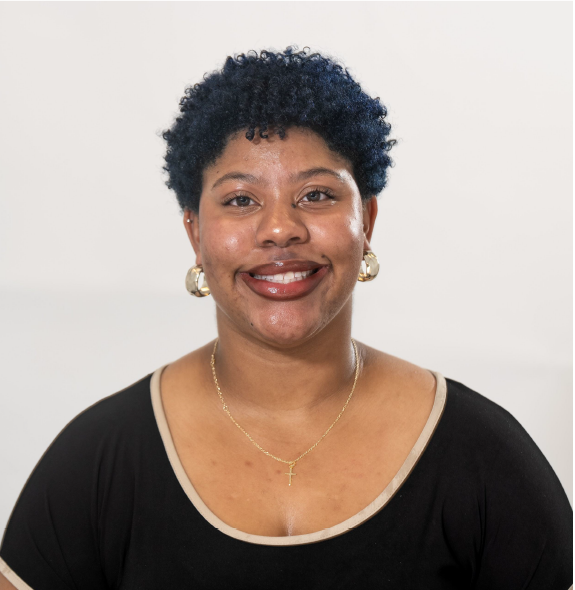
Takeira Nettles is a passionate communicator, storyteller, and community-centered leader serving as a Public Relations Intern with Bantucola. Originally from Portsmouth, Virginia, she brings a warm, culturally grounded approach to her work.
A senior Public Relations student at Florida A&M University, she has developed skills in media writing, brand development, and audience engagement. She is an active member of the National Council of Negro Women and the Public Relations Student Society of America, reflecting her commitment to service and professional growth.
Takeira is driven by the power of communication to uplift the Black community. She is dedicated to amplifying underrepresented voices, supporting Black-owned businesses, and creating meaningful, impactful campaigns that connect with audiences.
