



Historic Mt. Pilgrim African Baptist Church: A Pillar of Milton’s Black Heritage
By Takeira Nettles
In the heart of Milton, Florida, stands a testament to resilience, faith, and community, the Historic Mt. Pilgrim African Baptist Church. Founded in 1866 by formerly enslaved African Americans who left First Baptist Church, Mt. Pilgrim quickly became more than just a place of worship. It emerged as a central institution for spiritual guidance, social organization, and civic leadership within the Black community, a role it has maintained for over 150 years.
The church’s founding came at a pivotal moment in history. In the wake of emancipation, African Americans across the South sought to establish independent institutions where they could exercise leadership, preserve their culture, and build community. Mt. Pilgrim was one of Milton’s earliest expressions of this determination. Its members envisioned a space where they could gather freely, worship without restrictions, and create a foundation for generations to come.
Architecturally, Mt. Pilgrim African Baptist Church is equally remarkable. It is the only brick Gothic Revival church in Milton, a design conceived by prominent African American architect W.A. Rayfield. The church’s pointed arches, intricate brickwork, and soaring structure reflect the Gothic style and symbolize the congregation’s aspirations and perseverance. Its enduring presence reminds the community of the craftsmanship, vision, and dedication of those who built it.
Throughout its history, Mt. Pilgrim has served as a “mother church” to other Baptist congregations in the area. It played a critical role in fostering local religious leadership and supporting educational institutions such as Florida Memorial University, illustrating the church’s influence beyond its walls. By nurturing leaders and establishing connections with broader African American institutions, Mt. Pilgrim helped shape the social and cultural landscape of Milton and the surrounding region.
In recognition of its historical and architectural significance, the church was designated a contributing resource to Milton’s history in 1992 and received a Florida historical marker. These honors reflect both its importance as a physical structure and as a symbol of African American heritage in the city. The church is located at the corner of Alice Street and Martin Luther King Jr. Drive, formerly Clara Street, a site that continues to serve as a landmark for residents and visitors alike.
Mt. Pilgrim is more than a historical building. It is a living testament to faith, endurance, and community. For over a century and a half, it has provided spiritual guidance while preserving the cultural heritage of Milton’s African American population. Ongoing restoration efforts ensure that its distinctive architecture and historical character are maintained for future generations, allowing the church to continue as a cornerstone of identity, memory, and tradition.
The story of the Historic Mt. Pilgrim African Baptist Church is a reminder of the power of faith and collective effort. It stands not only as a place of worship but as a symbol of determination, resilience, and pride in the face of adversity. Through its architecture, its legacy, and the lives it has touched, Mt. Pilgrim remains a vital link to the history and heritage of Milton’s Black community.
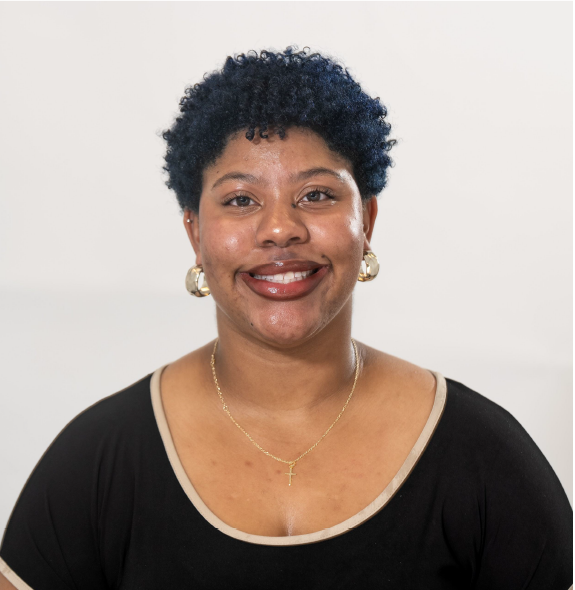
Takeira Nettles is a passionate communicator, storyteller, and community-centered leader serving as a Public Relations Intern with Bantucola. Originally from Portsmouth, Virginia, she brings a warm, culturally grounded approach to her work.
A senior Public Relations student at Florida A&M University, she has developed skills in media writing, brand development, and audience engagement. She is an active member of the National Council of Negro Women and the Public Relations Student Society of America, reflecting her commitment to service and professional growth.
Takeira is driven by the power of communication to uplift the Black community. She is dedicated to amplifying underrepresented voices, supporting Black-owned businesses, and creating meaningful, impactful campaigns that connect with audiences.
