



How DEI Shifts Are Impacting Black Communities
by Takeira Nettles
Diversity, equity, and inclusion (DEI) initiatives that expanded across workplaces and universities in recent years are facing significant changes, affecting Black Americans and other historically underrepresented groups, according to advocates and researchers.
Federal policy shifts under the Trump administration have restricted or rescinded a range of DEI programs, prompting agencies, universities, and corporations to reevaluate or, in some cases, eliminate diversity-focused efforts that had been in place for decades.
In January 2025, President Donald Trump signed Executive Order 14173, which revoked Executive Order 11246. Originally issued in 1965, this regulation required federal contractors to establish affirmative action plans to prevent discrimination and promote equal opportunity in hiring and employment practices. Its rescission removed a key federal mandate for proactive diversity efforts among companies that do business with the U.S. government.
Another directive, Executive Order 14281, instructed federal agencies to prioritize merit-based assessment and equal treatment without consideration of demographic characteristics such as race or gender. DEI offices within federal agencies have seen leadership changes and restructuring as a result.
Civil rights experts note that protections under Title VII of the Civil Rights Act of 1964, which bars employment discrimination on the basis of race, color, religion, sex, and national origin, remain in effect. However, the elimination of affirmative diversity requirements has changed how organizations address systemic inequities that disproportionately affect Black people and other minorities.
Colleges and universities have also reported changes tied to federal oversight of campus diversity activities. Some institutions ended partnerships with nonprofit programs supporting underrepresented students after federal investigations asserted that race-based selection criteria could conflict with Title VI of the Civil Rights Act, which bars discrimination in federally funded programs.
In the private sector, several Fortune 500 companies announced reductions or restructuring of internal DEI departments in 2025. Meta Platforms disbanded its dedicated DEI team, and other corporations rebranded diversity units under broader human resources functions or shifted the focus toward general opportunity initiatives rather than targeted equity measures. Companies cited legal uncertainties and evolving regulatory guidance as reasons for the changes.
Professional associations have also reconsidered diversity requirements. The American Bar Association, which had long required accredited law schools to demonstrate efforts to recruit and retain diverse students and faculty, revised accreditation standards in early 2026 amid debate over the legality of mandatory diversity benchmarks.
Advocates for racial equity contend that rolling back structured DEI frameworks may have downstream effects on recruitment pipelines, career advancement and representation in fields where Black workers have been historically underrepresented. Research shows that intentional diversity strategies contributed to increased representation of minority groups in certain industries.
Some companies and institutions have announced plans to maintain voluntary diversity strategies despite regulatory shifts. Colgate-Palmolive, for example, stated it will continue incorporating diversity criteria in board selection decisions following stakeholder pressure.
As organizations navigate 2026, they are balancing compliance with federal directives, legal risk management and efforts to foster inclusion and representation within workplaces and educational environments.
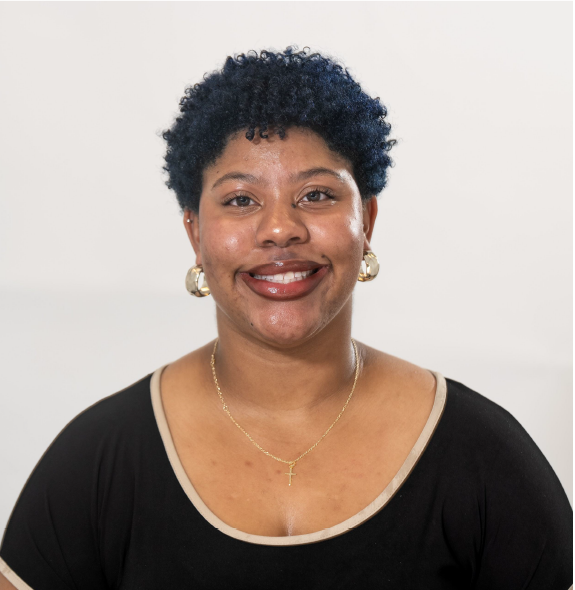
Takeira Nettles is a passionate communicator, storyteller, and community-centered leader serving as a Public Relations Intern with Bantucola. Originally from Portsmouth, Virginia, she brings a warm, culturally grounded approach to her work.
A senior Public Relations student at Florida A&M University, she has developed skills in media writing, brand development, and audience engagement. She is an active member of the National Council of Negro Women and the Public Relations Student Society of America, reflecting her commitment to service and professional growth.
Takeira is driven by the power of communication to uplift the Black community. She is dedicated to amplifying underrepresented voices, supporting Black-owned businesses, and creating meaningful, impactful campaigns that connect with audiences.
